Introduction to Nanotechnology
Created by Spysea
So you want to make your own nanocell. You know what nanotechnology is, and now you want to actually do some real stuff! First, let's look into how you should plan your project.
Planning
I. Decide what you want to build
Nanotechnology just means "the engineering of functional sytems at a molecular level." Therefore, it could include anything from better surgery technology to improved CPUs. Spend some time looking through research papers on ResearchGate or even just Google to try and find an idea that has been done on a macroscale that you can make smaller, a nanotechnology experiment you can replicate, or a process you can make quicker with the use of nanoparticle catalysts.
II. Calculate and Prototype
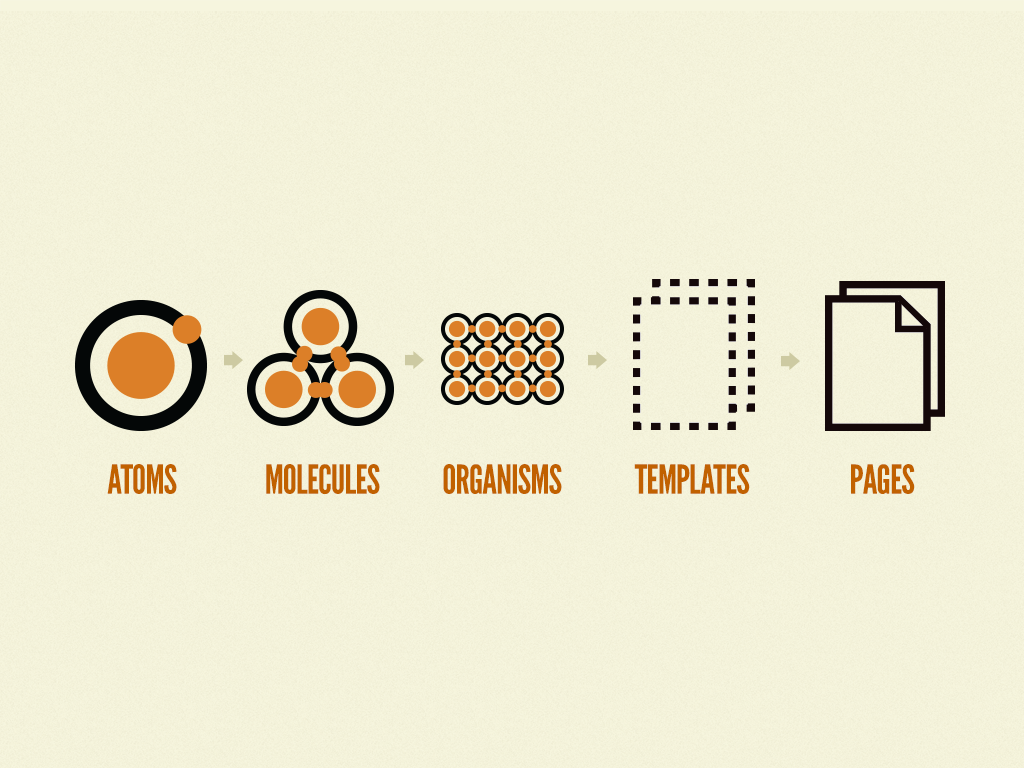
Now that you know what you are going to build, do the necessary calculations to see how much material you need, and if your solution is possible. For most of nanotechnology, this would just be simple stoichiometry . But, some nanoparticle creation does involve more complex electrical or chemical processes. For these, check out Electronics Tutorials and UC Davis' ChemWiki for each subject's formulas in greater depth. For prototyping, start with two-dimensional paper sketches. Then, add features and colors to these sketches by copying them in Sketch , Adobe Illustrator , or even Google Drawings, if you just need something down and do not want to spend on design products. For three dimesnional design, use Onshape . If you want a way to prototype neatly, try using the Atomic Design method by starting with the individual components and building off of relationships between each component.
Building the nanotechnology
I. Get materials
So, you can either make nanotechnology using a kit or from scratch. If you want to build from a kit, we recommend the Thames and Cosmos Kit , but make sure to check it actually has the materials you need before going ahead and ordering it. If you're building nanotech from scratch, your best resource for materials is Alibaba , since you will need extra material in case you make a mistake, and because they have the copper, zinc, cobalt, and other metal rods that are integral to the casing of the nanocell, as well as most of the solutions used inside the casing to give the nanocell its catalyzing powers. Besides the materials, remember to order the tools you need for the construction. This would be a soldering iron for anything involving metal, a micropippet for any nanotech involving solutions, some sort of container(beaker or graduated cylinder) for use in performing the chemical reactions needed to make these solutions, and simple tools, like tweezers and a thermormeter. Also, consider investing in a simple microscope because nanoparticles are really, really small.
II. Build
You have your materials, and you have plans for how the products go together. So, it's time to start building your nanotech. First, follow your chemcial equations religiously, making solutions with the exact proportions specified in stoichiometry and enthalpy of formation. Then, when soldering metal pieces, watch this simple video to learn how to do it safely and efficiently. Finally, when you think you are done building it, test the nanocell. If it doesn't work as needed, go back to your calculations and 2D designs, and see if you can track down a problem either from prototyping or actual construction.